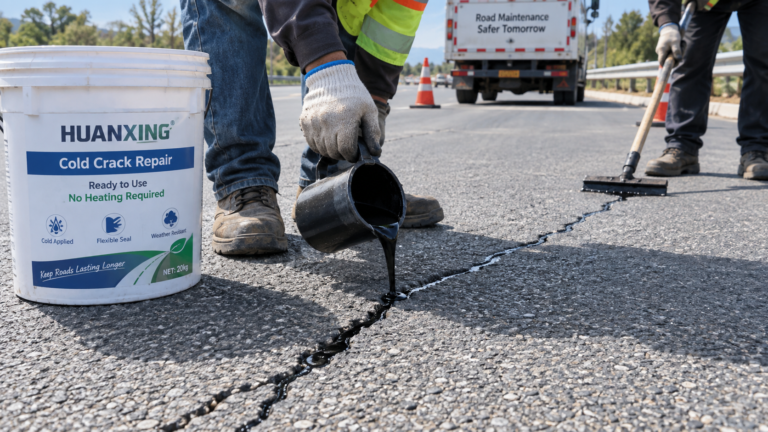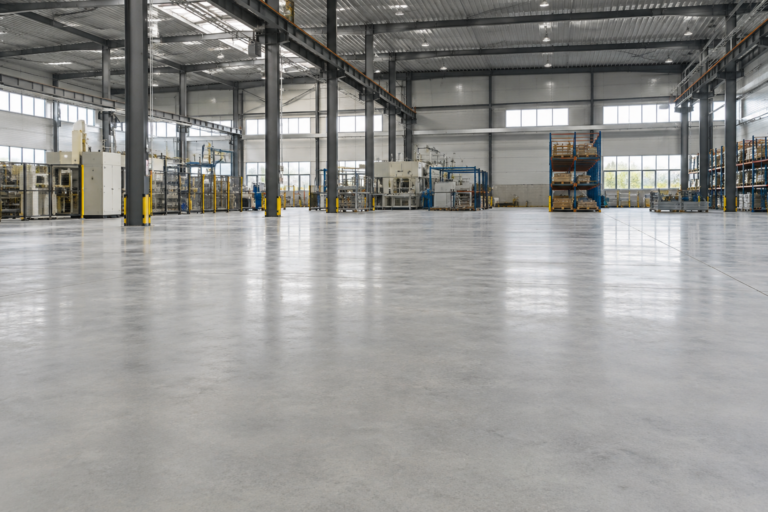
Under prolonged vehicle loading, rainwater erosion, and cumulative weather effects, road surfaces frequently develop cracks, potholes, surface spalling, and localized damage. For such problems, road repair mortar is a commonly used rapid repair material, suitable for cement roads, asphalt pavements, large parking lots, factory floors, warehouse aisles, and other concrete surfaces. Fast repair road mortar
Construction Process of repair mortar
First, the damaged area must be cleaned by removing loose concrete or asphalt, dust, gravel, and oil stains, ensuring that the substrate remains firm and clean. For deeper or irregularly shaped damage, appropriate cutting and trimming may be performed to enhance the bonding effect between the new and old materials.
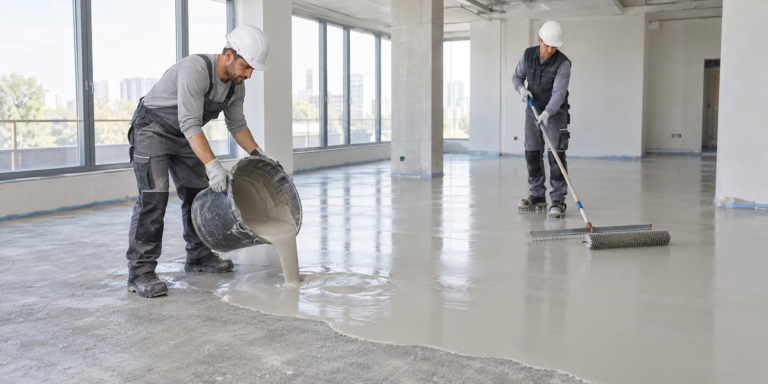
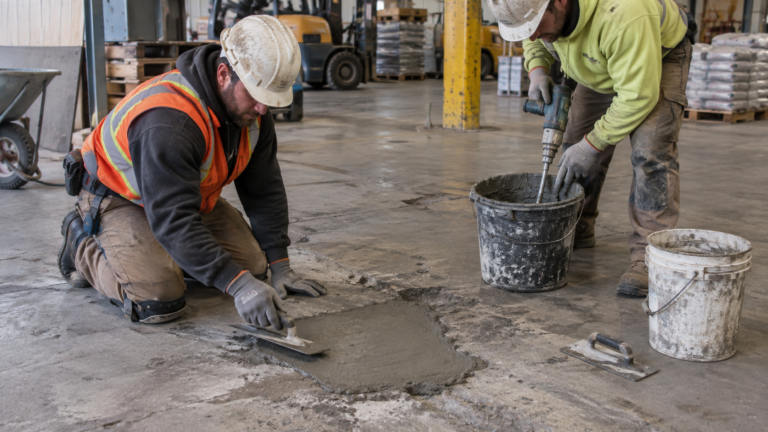
Second, mix the repair mortar with water in the specified proportion and stir thoroughly until a uniform paste without obvious lumps is formed. The actual water amount and mixing time should be determined based on specific site conditions and the technical parameters of the particular product.
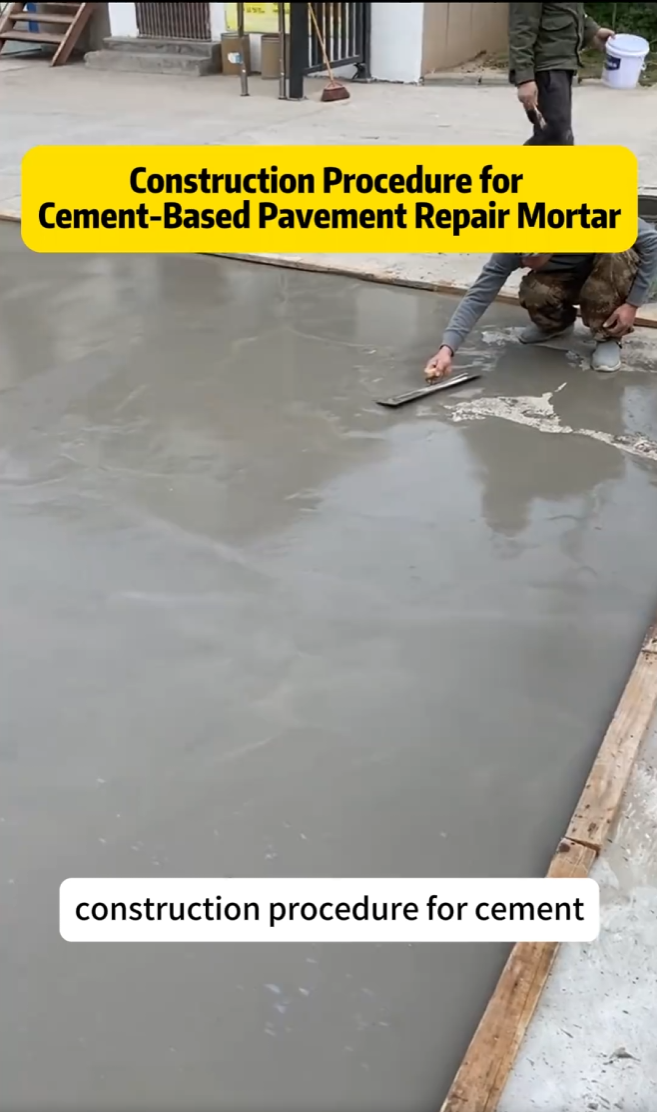
Next, place the mixed mortar into the area to be repaired, and use tools to compact, level, and finish the surface, keeping the repaired section essentially flush with the surrounding pavement.
After construction is completed, light foot traffic can be allowed after two hours. As the material gains strength over time, the road can be reopened to vehicles 48 hours later once the specified strength is achieved.
Main Advantages of road repair mortar
Road repair mortar sets quickly, reducing the need for prolonged road closures due to maintenance. At the same time, its construction process is significantly simplified compared with traditional methods, greatly saving construction time. For projects that require rapid traffic restoration, the fast-curing characteristic makes it a more suitable choice.
Quality repair mortar offers excellent bonding and compressive performance, forming a stable bond with the existing concrete or asphalt substrate. Once the required strength is reached, it is suitable for roads with heavy traffic, as well as industrial and warehouse environments.
Compared with large-scale demolition and re-pouring, localized use of repair mortar reduces construction workload and maintenance costs, making it a practical solution for partial road damage repair.
When selecting repair mortar, appropriate products should be chosen based on factors such as damage depth, traffic intensity, construction temperature, and the time allowed before opening to traffic.