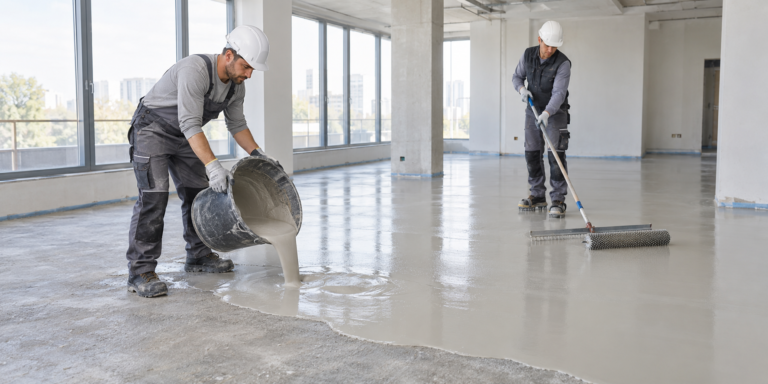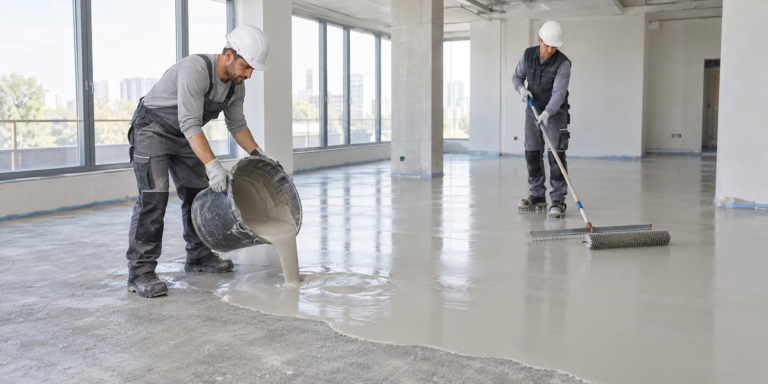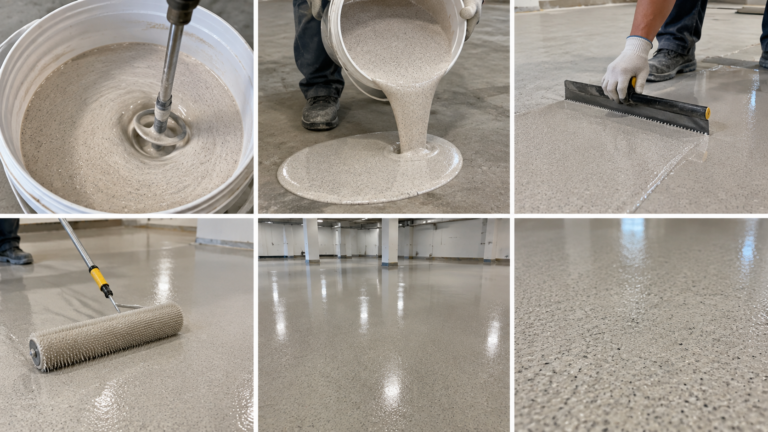
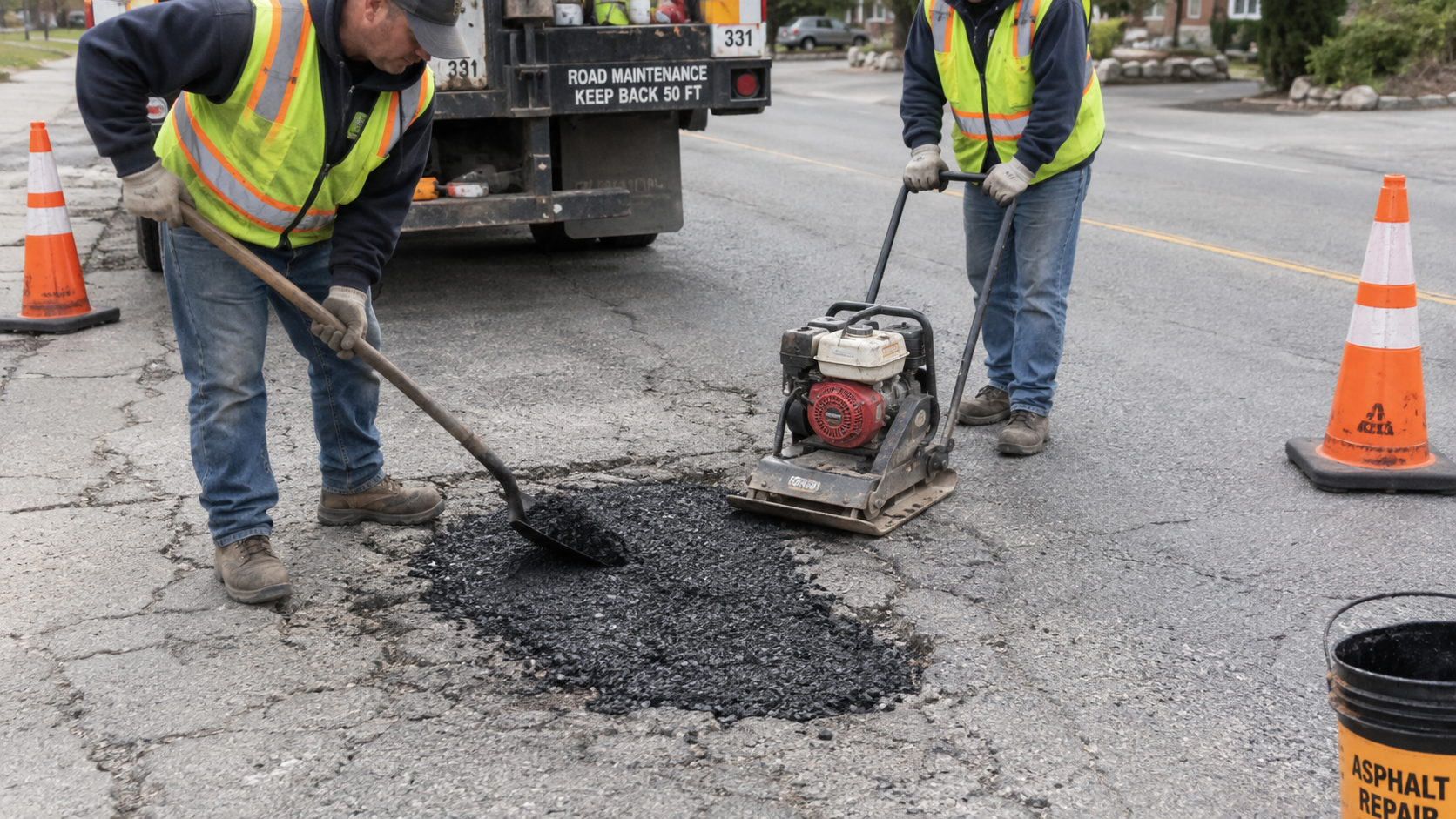
Asphalt pavement repair material is specially designed for repairing potholes, cracks, depressions, and other damaged areas on asphalt pavement. It can be used for roads, parking lots, factory areas, residential communities, and other surfaces requiring rapid and convenient maintenance.
Following the correct repair procedure can improve compaction effect, bonding performance, and the service life of the repaired area.
Asphalt Pavement Repair Material Construction Process
- Inspect the Damaged Area
Inspect the pothole or damaged pavement to determine its depth, size, and surrounding conditions. If necessary, remove severely loose or unstable edges.
The repair area should have a solid base capable of supporting the new material.
- Clean the Repair Area
Remove loose asphalt, stones, dust, standing water, oil stains, and other debris from the damaged area.
A clean repair area helps the asphalt material bond more effectively with the existing pavement.
- Apply Bonding Layer If Necessary
Depending on the product and pavement condition, a suitable tack coat or bonding agent may be applied to the bottom and edges of the repair area.
Follow the manufacturer’s instructions for application rate and waiting time.
- Spread the Repair Material
Pour the asphalt pavement repair material into the damaged area and spread it evenly. For deeper potholes, apply the material in layers rather than filling the entire depth at once.
Leave the material slightly higher than the surrounding pavement to compensate for settlement after compaction.
- Compact the Surface
Use a hand tamper, plate compactor, or roller to compact each layer. Continue compacting until the repaired surface is dense, stable, and level with the surrounding pavement.
Carefully check the edges to ensure there are no loose areas or obvious gaps.
Main Advantages
Asphalt pavement repair material is convenient and relatively quick to apply and can reduce road closure time. It is suitable for local repairs and can reduce the need for large-scale removal and replacement of pavement.
It also helps restore pavement smoothness, improve driving safety, and prevent small-area damage from developing into larger pavement distress.
Summary
Effective asphalt pavement repair depends on proper cleaning, suitable material spreading, and sufficient compaction. Select the appropriate repair material based on damage type, traffic conditions, weather, and project requirements, and follow the manufacturer’s instructions throughout the construction process.