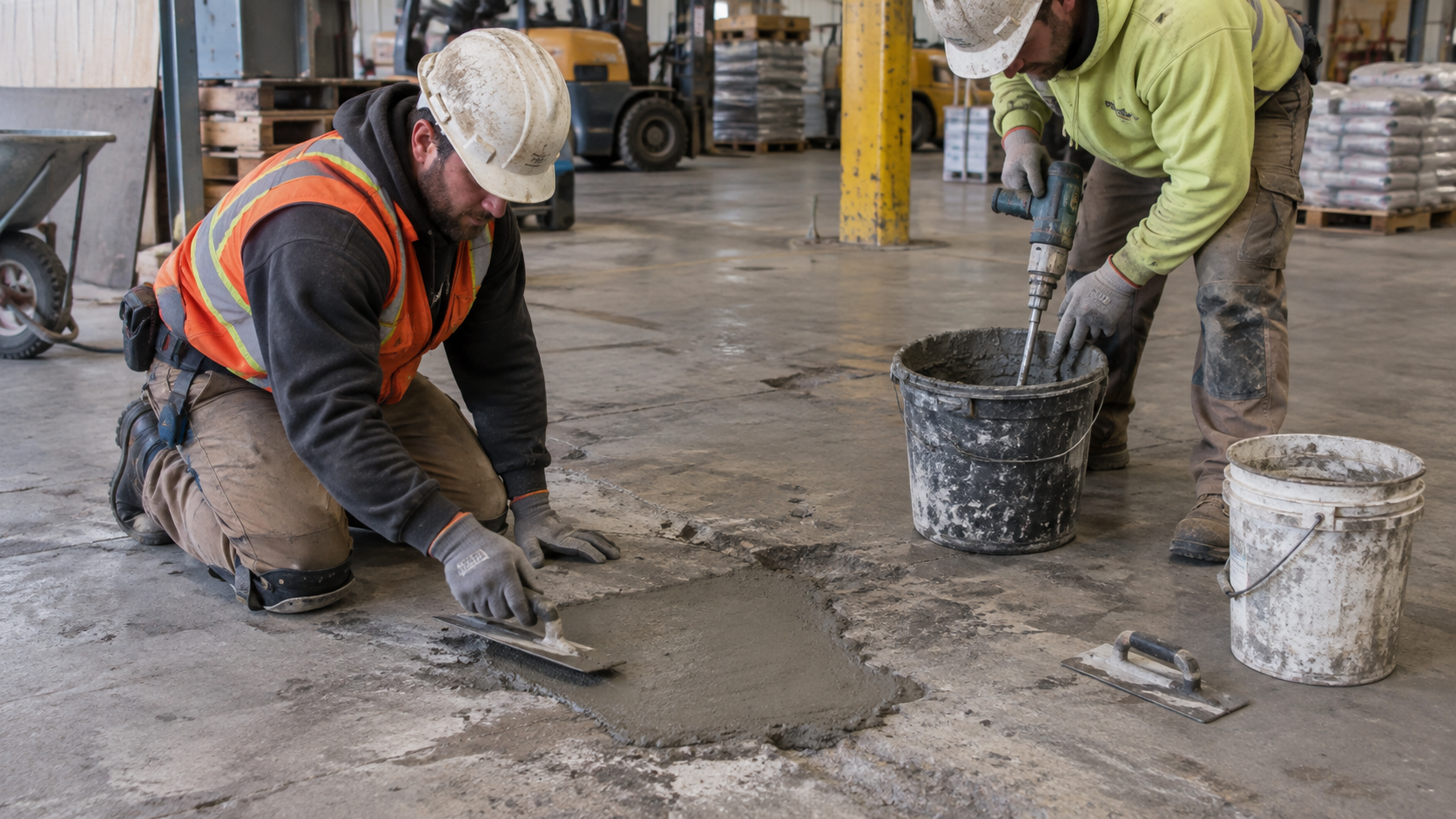
Cement repair mortar is a specialized material used to repair damaged concrete and cement-based surfaces. It is commonly applied to cracks, potholes, spalling, edge damage, and uneven areas on roads, floors, walls, and other concrete structures.
Compared with removing and replacing an entire section of concrete, localized repair with cement repair mortar can help reduce construction time, material consumption, and overall project costs.
Applications in Concrete Repair
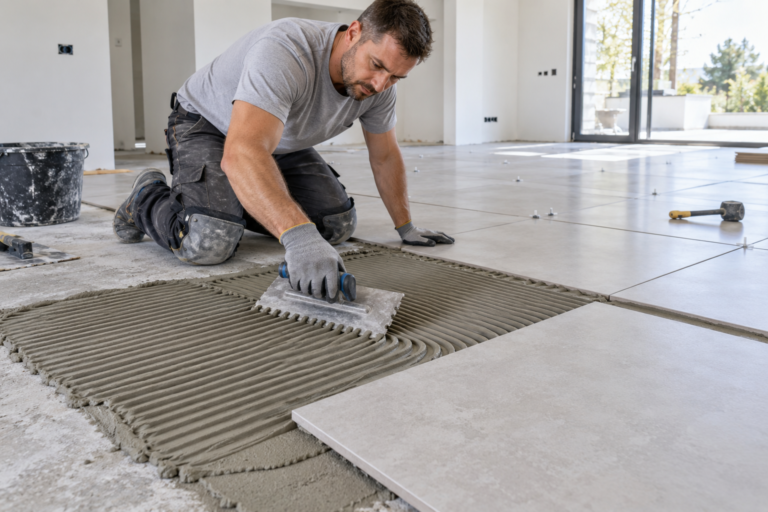
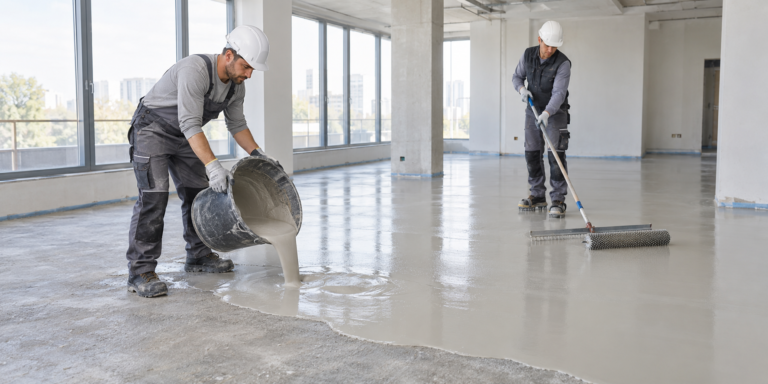
Cement repair mortar can be used to repair damaged concrete floors in factories, warehouses, parking areas, workshops, and commercial buildings. It helps fill surface defects and restore a flatter and more stable working surface.
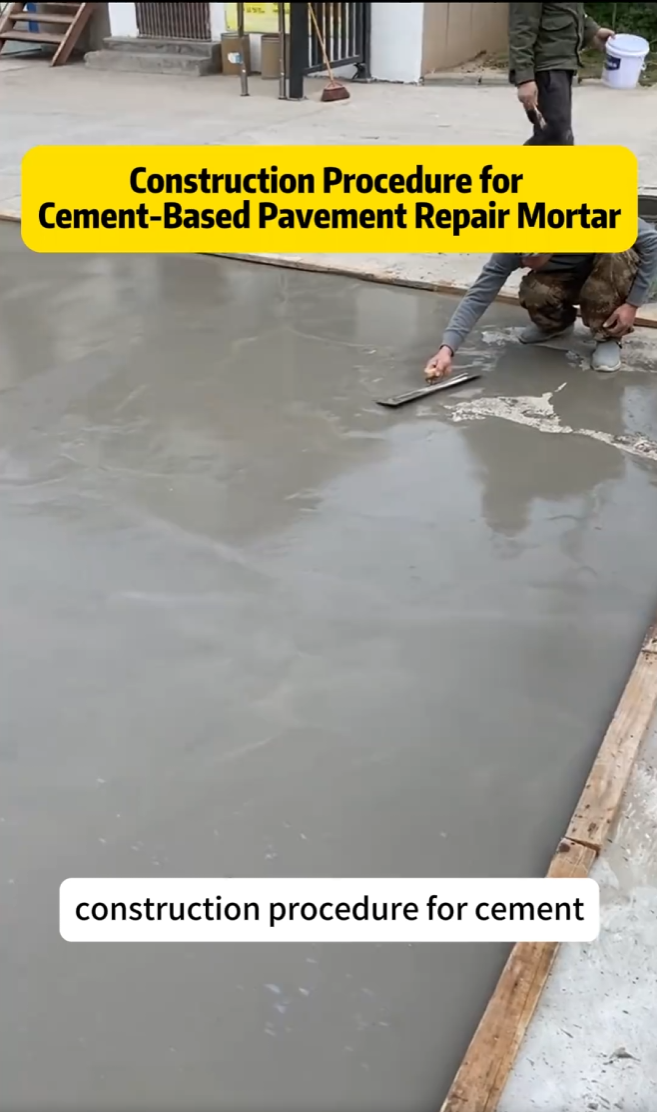
In road maintenance, fast-setting repair mortar can be used for potholes, damaged pavement edges, bridge deck repairs, and localized concrete deterioration. Products designed for rapid repair can help shorten road closure times and reduce disruption to traffic.
It can also be applied to cement walls, concrete columns, stairs, curbs, and other building components, provided that the selected mortar is suitable for the required repair thickness and working environment.
Application Process
Before application, loose concrete, dust, oil, and other contaminants should be removed. The repair area must have a clean, solid, and stable substrate.
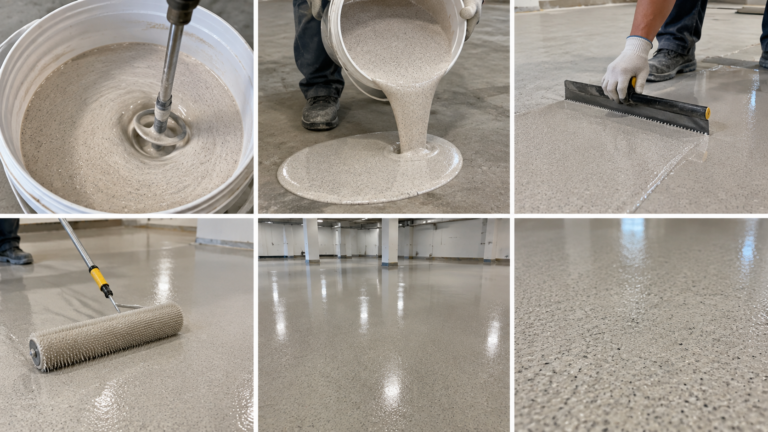
Mix the mortar with the specified amount of clean water, then firmly press the material into the damaged area. For deeper repairs, the mortar may need to be applied in several layers.
After filling, compact the surface and level it with the surrounding concrete. Proper curing should then be carried out according to the manufacturer’s technical instructions.
Main Advantages
Cement repair mortar offers good bonding performance, convenient application, and reliable compatibility with existing cement-based substrates. It can restore surface flatness and help prevent localized damage from developing into larger structural or maintenance problems.
Different formulations are available for fast-setting, high-strength, vertical surface repair, and heavy-duty applications. This allows contractors to select the appropriate product according to traffic conditions, repair depth, construction time, and environmental exposure.
Suitable Projects
Cement repair mortar is suitable for roads, bridges, factories, warehouses, parking areas, residential buildings, commercial facilities, and general concrete maintenance projects.
Conclusion
The performance of cement repair mortar depends on proper substrate preparation, correct water-to-mortar ratio, suitable application thickness, compaction, and curing. Selecting the right repair product can improve repair efficiency and extend the service life of damaged concrete surfaces.